Understanding High Performance Boat Propellers for Better Marine Speed
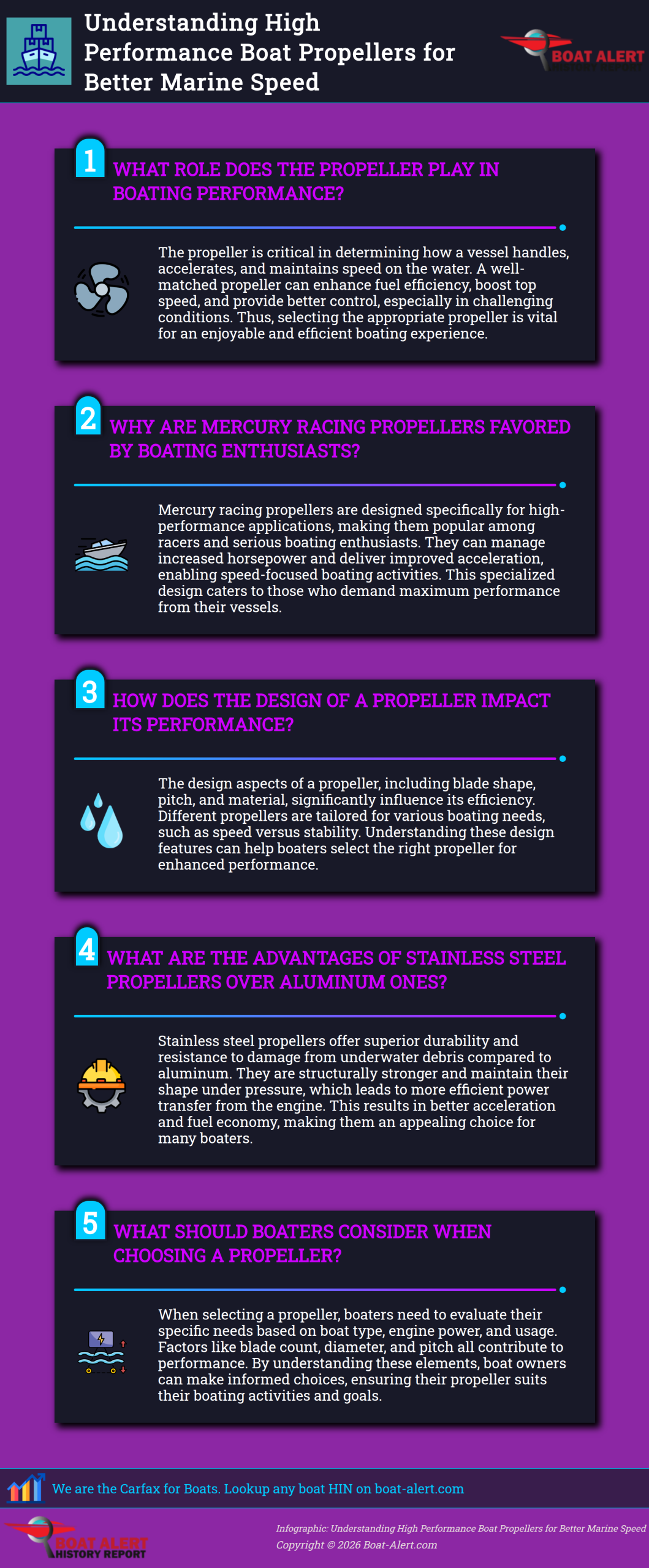
When it comes to boating performance, the propeller plays one of the most important roles in how a vessel handles, accelerates, and maintains speed on the water. A well-matched propeller can improve fuel efficiency, increase top speed, and deliver smoother control, especially in demanding water conditions.
Many boating enthusiasts who focus on speed and performance often explore Mercury racing propellers because they are designed specifically for high performance applications. These propellers are built to handle increased horsepower and deliver better acceleration, making them popular among racers and serious boating enthusiasts.
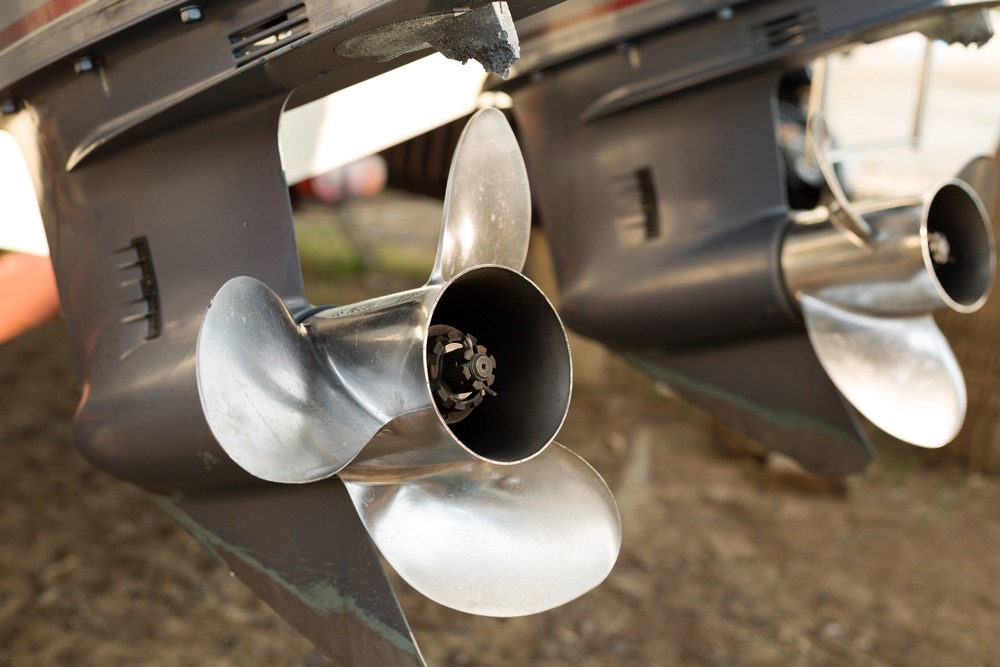
For boat owners looking for durability and long-term reliability, Mercury marine propellers stainless are also a strong option. Stainless steel propellers are known for their strength and resistance to wear, making them suitable for both recreational boating and more demanding marine environments.
How Propellers Affect Boat Performance
A boat propeller works by converting engine power into thrust, pushing the vessel forward through water. The design of the propeller, including blade shape, pitch, and material, directly affects how efficiently this power is used.
Different propeller types are designed for different boating needs. Some focus on speed and acceleration, while others prioritize stability and fuel efficiency. Choosing the right propeller can significantly improve the overall boating experience.
For example, a propeller with a higher pitch may increase top speed but require more engine power to operate effectively. On the other hand, a lower pitch propeller can improve acceleration and handling at lower speeds.
The Advantage of High Performance Propellers
Performance focused propellers are designed with precision engineering to maximize speed and control. These propellers are often used in racing or high speed recreational boating where every bit of performance matters.
One of the main advantages of racing propellers is their ability to reduce drag while increasing thrust efficiency. This allows boats to reach higher speeds with improved responsiveness.
Materials also play an important role in performance. Stainless steel propellers, for example, are stronger and more rigid than aluminum alternatives. This strength helps maintain blade shape under pressure, which improves efficiency and reduces flex during high speed operation.
Why Stainless Steel Propellers Are Popular
Stainless steel propellers are widely used because of their durability and performance benefits. They are more resistant to damage from debris and underwater obstacles compared to softer materials.
Another advantage is their ability to maintain consistent performance over time. Because they are more rigid, stainless steel propellers transfer engine power more efficiently, which can lead to better acceleration and improved fuel economy.
For boaters who frequently operate in challenging conditions or at high speeds, stainless steel propellers are often considered a long term investment.
Racing Propellers and Performance Applications
Racing propellers are designed specifically for speed and high-performance boating. They often feature advanced blade designs that reduce resistance and improve water flow efficiency.
These propellers are typically used in competitive boating environments where acceleration and top speed are critical. Even small improvements in propeller design can make a noticeable difference in race performance.
However, racing propellers are not just for competitive use. Many recreational boaters also choose performance propellers to enhance their boating experience, especially when they want quicker acceleration and smoother handling at higher speeds.
Choosing the Right Propeller for Your Boat
Selecting the right propeller depends on several factors including boat type, engine power, and intended use. A propeller that works well for one boat may not perform the same on another.
Boaters should consider how they plan to use their vessel. For example, fishing boats may prioritize fuel efficiency and low speed control, while speed boats focus more on acceleration and top speed performance.
Blade count, diameter, and pitch all influence how a propeller performs. Understanding these factors can help boat owners make better decisions when upgrading or replacing their propeller.
Maintenance and Long Term Performance
Proper maintenance of boat propellers is important for ensuring consistent performance. Even small damages such as dents or bends in the blades can affect efficiency and fuel consumption.
Regular inspection helps identify wear early and prevents long term performance issues. Cleaning the propeller and checking for damage after use in rough conditions can extend its lifespan.
Stainless steel propellers generally require less frequent replacement compared to softer materials, but they still benefit from routine maintenance to maintain peak performance.
Some things you did not know about boat propellers:
- A propeller that is “too big” can overload your engine the same way driving uphill in the wrong gear strains a car engine. Your RPM at wide-open throttle is one of the most important clues for choosing the correct prop.
- Stainless steel propellers are not just about durability. They flex less than aluminum props, which can improve acceleration, fuel efficiency, and top speed.
- A damaged propeller can reduce fuel economy dramatically even if the damage looks minor. Small bends or nicks can create vibration and cavitation.
- More blades do not always mean more speed.
- 3-blade props are usually faster.
- 4-blade props often improve hole shot, grip, and towing performance.
- 5-blade props can improve smoothness and handling on heavier boats.
- Prop pitch works like bicycle gearing.
- Higher pitch = more top speed potential but slower acceleration.
- Lower pitch = quicker acceleration and easier planing.
- Diameter and pitch must work together. Many boaters focus only on pitch and ignore diameter, but diameter strongly affects lift and load handling.
- Cavitation and ventilation are different problems.
- Cavitation is water boiling from pressure changes against the blade surface.
- Ventilation is air getting sucked into the prop.
Both can feel like the engine suddenly revving without pushing the boat properly.
- Some props are designed specifically for carrying heavy loads, towing tubes, wakeboarding, or offshore cruising. One “universal best prop” rarely exists.
- Propeller cup (the curved lip on the blade edge) can improve grip and reduce slip. Even small cup adjustments can change RPM by 100–300.
Final Thoughts
Boat propellers play a crucial role in overall marine performance, affecting speed, handling, and fuel efficiency. Whether used for recreation or high speed boating, selecting the right propeller can significantly improve the experience on the water.
High performance options such as racing propellers and stainless-steel designs offer different advantages depending on boating needs. By understanding these differences, boat owners can choose equipment that matches their goals and enhances their time on the water.
- Two boats with the same engine can require different props because hull shape, weight distribution, fuel load, and gear all affect prop performance.
- Prop slip is normal. A propeller never moves forward exactly its theoretical distance through water. Efficient setups still experience some slip.
- Twin-engine boats sometimes benefit from counter-rotating propellers to improve tracking and reduce steering torque.
- Aluminum props are cheaper and can act like a “mechanical fuse.” In some impacts, they may absorb damage that could otherwise harm the lower unit.
- Propeller rake affects bow lift. Higher rake props can help lift the bow on performance hulls.
- Boats used at higher elevations often need lower-pitch props because thinner air reduces engine power output.
- Your ideal prop depends on your priority:
- Watersports → lower pitch, strong acceleration
- Cruising → balanced efficiency
- Fishing/offshore → grip and load handling
- Speed → higher pitch and lighter load
- A tachometer is essential when testing props. Choosing a prop without checking engine RPM can shorten engine life over time.
- Propeller vibration is not always caused by the prop itself. Bent shafts, worn hubs, or engine alignment issues can create similar symptoms.
- Rubber hub inserts inside many propellers are designed to slip during severe impacts to help protect drivetrain components.
- Many experienced boaters keep a spare prop onboard because even a small underwater strike can ruin a boating trip.
#propellers #boats #performance
Read Related Articles:
- Best Marine Surveyors in Columbus
- 10 Questions about HIN Lookups and Boat Registration Search
- Best Marine Surveyors in Las Vegas
- Carfax for Boats Law – What is UCOTVA?
- Does Boat Insurance cover Boat Towing?
Categories: To learn more about Boat-Alert.com History Reports for used boats and boat cf number lookup visit: www.Boat-Alert.com