Mistakes Made by Beginner Boaters
When Everything Feels Simple… Until It Isn’t
Most beginner boating mistakes don’t start with something dramatic. There’s no cinematic moment where everything suddenly goes wrong. It’s usually quieter than that. A small misread of the wind. A slightly late reaction at the helm. A bit too much confidence in calm water that doesn’t stay calm for long.
And the strange thing is—you don’t really notice the pattern while it’s happening. Only later do you look back and think, ah… it was a series of small things.
That’s kind of how learning on the water works.
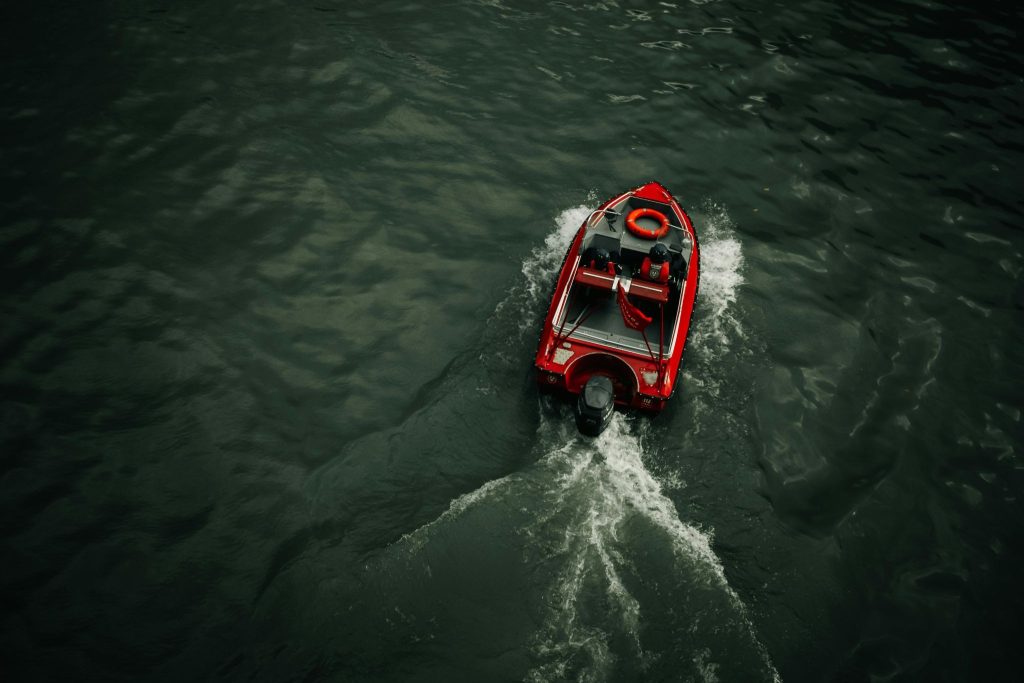
18 Common Boating Fails to Avoid:
- Failing to check the marine weather forecast
- Running aground
- Forgetting to keep up with regular maintenance
- Hitting the dock
- Running out of gas
- Forgetting to put in the drain plug
- Overloading the boat
- Getting lost
- Putting out insufficient anchor line
- Running the engine while dry
- Improperly mooring the boat
- Trailering with the engine down and/or the top up
- Always check the weather!
- Failing to perform regular maintenance and check vessel safety.
- Running Aground due to Tide conditions and underwater hazards
- Running out of gas out on the water
- Dock collisions due to speed
- Overloading the boat check state regulations for weight capacity
- Getting lost at sea with no GPS
The Overconfidence Phase (Everyone Goes Through It)
There’s a phase every beginner goes through, even if they won’t admit it later. You learn the basics—how to steer, how to dock in perfect conditions, how to follow instructions—and it feels like you’ve got it.
And in fairness, you do have something. Just not the full picture.
Boating has this way of changing the difficulty level without warning. What looked simple at the dock suddenly feels very different once wind, current, and traffic all show up at the same time.
It reminds me a bit of how people deal with complex learning in general. I’ve seen students get comfortable with structured tasks and then struggle the moment everything becomes layered and time-sensitive. Some even end up relying on professional writing services not as a way to avoid work, but because they’re trying to understand how complicated ideas are actually built and organized when pressure is involved. In both cases, the real challenge isn’t the information itself, but learning how to structure it when everything starts competing for attention at once.
Boating mistakes come from a similar place: knowing parts of the system, but not yet seeing how they interact.
Water Never Stays the Same for Long
One of the first real shocks for beginners is realizing the environment is not stable.
The water you left an hour ago is not the water you’re returning to.
Wind picks up quietly. Currents shift in ways that aren’t obvious at first glance. Even visibility can change enough to make familiar routes feel slightly unfamiliar. And the tricky part is that nothing announces itself clearly.
So beginners often anchor their decisions to how things looked at departure. Experienced boaters don’t do that—they keep updating, almost continuously. Not in a stressful way, just… as part of the process.
When Reaction Time Becomes a Problem
It’s interesting how often mistakes aren’t about knowledge, but timing.
Beginners tend to either hesitate too long or react too sharply. There’s rarely a middle ground in the early stages.
Take docking, for example. A small drift happens, totally normal. But what you do in the next five seconds matters more than what you knew beforehand. That’s where things either smooth out or escalate.
And honestly, this is where experience quietly builds itself. Not from big lessons, but from repeated exposure to slightly uncomfortable moments.
Communication Gets Overlooked More Than It Should
One thing that surprises people is how often communication is part of the problem.
On land, you can get away with vague instructions. On water, not so much.
Beginners often assume everyone on board sees what they see. They’ll say something short like “over there” or “do that,” and expect it to translate instantly into action.
It doesn’t always work like that.
Over time, people naturally adjust. They slow their instructions down. They become more specific. Not because they’re told to—but because they’ve seen what happens when communication breaks down at the wrong moment.
Weather Confidence (Or Overconfidence, Really)
There’s also this subtle trap with weather.
You check the forecast, it looks fine, and you mentally lock it in. Done. Trip planned.
But weather over water doesn’t really respect that level of certainty. It shifts faster than people expect, and sometimes in ways that aren’t fully captured by what you saw before departure.
Beginners often treat weather as background information. Experienced boaters treat it as something ongoing—almost like another participant in the trip.
Navigation Is More Than Direction
A common misunderstanding is thinking navigation is just about getting from point A to point B.
But once you’re actually out there, you realize it’s more like managing space that’s constantly moving. Depth changes. Other boats appear unexpectedly. Conditions affect how you move, not just where you’re going.
So even if the route is technically correct, it doesn’t always mean it’s practically safe or smooth.
That gap between “correct” and “appropriate” is where most learning happens.
Stress Changes Everything (Quietly)
One thing that doesn’t get talked about enough is how stress affects perception.
When something goes slightly wrong, it rarely feels “slightly wrong.” It feels bigger than it is. Faster. More urgent.
And that’s where beginners often make decisions they wouldn’t make in calm conditions.
Experienced boaters aren’t less stressed—they’re just quicker to recognize it. And that recognition alone changes the outcome more than people expect.
Learning Actually Happens After the Trip
There’s this misconception that experience builds only while you’re on the water. But a lot of it happens afterward.
Replaying moments. Thinking, I should’ve done that earlier, or I overreacted there. That reflection slowly turns into pattern recognition.
And over time, those patterns become instinct. Not perfect instinct—but reliable enough to reduce the number of surprises.
Final Thought
Most beginner mistakes in boating aren’t really about lack of intelligence or preparation. They come from not yet seeing how quickly things shift once multiple factors overlap.
And that’s probably the biggest learning curve: realizing the water doesn’t care how simple things looked five minutes ago.
It just keeps moving.
#boating #mistakes
Categories: To learn more about Boat-Alert.com History Reports for used boats and free boat history visit: www.Boat-Alert.com